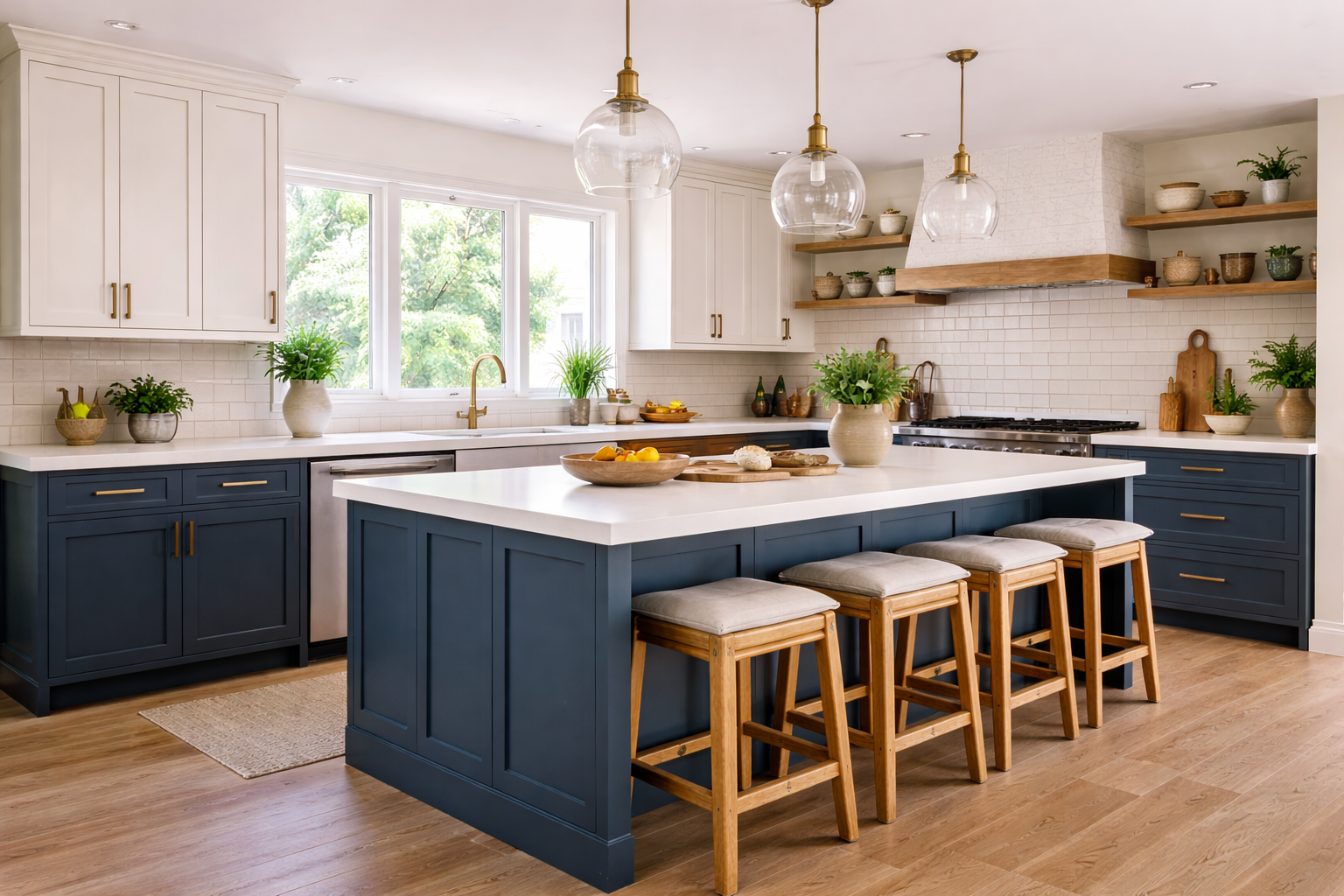
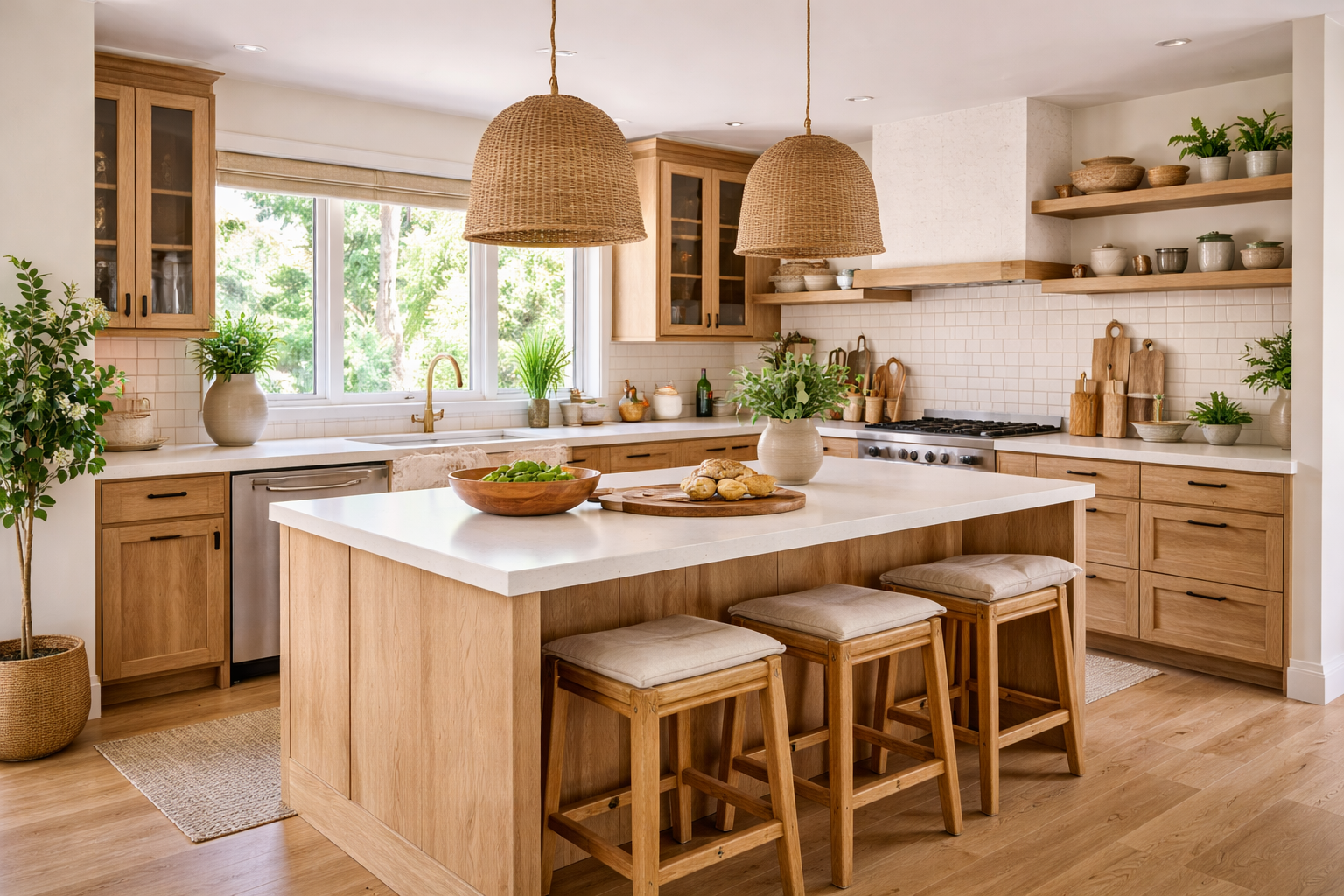
If you have ever walked into a kitchen that instantly felt calm, welcoming, and connected to nature, chances are it followed the principles of an Organic design kitchen. This style is not about trends or flashy finishes. It is about balance, texture, light, and natural materials working together in harmony.
In a world filled with sleek, ultra modern interiors, many homeowners are turning back to nature inspired design. An Organic design kitchen blends functionality with earthy warmth, creating a space that feels grounded and timeless.
Let’s explore what makes this style so appealing and how you can bring it into your own home.
What Is an Organic Design Kitchen?
An Organic design kitchen focuses on natural materials, soft lines, neutral colors, and a strong connection to the outdoors. Instead of sharp contrasts and synthetic finishes, the emphasis is on authenticity and simplicity.
You will often see:
-
Natural wood cabinetry
-
Stone or quartzite countertops
-
Earth toned color palettes
-
Open shelving with handcrafted elements
-
Abundant natural light
The goal is to create a kitchen that feels effortless and inviting rather than overly styled.
Why Organic Design Is Growing in Popularity
Design trends are increasingly centered around wellness and comfort. According to interior design industry reports, homeowners are prioritizing natural materials and sustainable features more than ever before.
An Organic design kitchen aligns perfectly with this shift. It encourages the use of renewable materials, reduces visual clutter, and promotes a calming atmosphere.
Spending time in a kitchen that feels connected to nature can positively affect mood and reduce stress. Natural textures and warm tones tend to create a softer, more relaxed environment compared to high gloss or industrial finishes.
Key Elements of an Organic Design Kitchen
If you are considering this style, focus on layering natural elements rather than relying on one statement piece.
Natural Materials
Solid wood cabinets, exposed beams, and stone surfaces are foundational. Oak, walnut, and maple are popular choices because they showcase visible grain and warmth.
Soft, Neutral Colors
Think warm whites, soft taupes, clay tones, and muted greens. These shades mimic natural landscapes and allow materials to stand out.
Texture and Imperfection
An Organic design kitchen embraces slight variations in wood grain, handmade tiles, and brushed metal finishes. Perfection is not the goal. Authenticity is.
Indoor Outdoor Connection
Large windows, glass doors, and even indoor plants help blur the line between inside and outside. Natural light enhances the organic feel.
Lighting in an Organic Kitchen
Lighting plays a major role in setting the tone. Instead of harsh overhead lighting, consider layered options such as:
-
Warm pendant lights over an island
-
Under cabinet lighting
-
Natural linen or woven shades
-
Soft recessed lighting
Warm temperature bulbs create a cozy atmosphere and highlight the textures of wood and stone.
Balancing Modern Function with Natural Style
One common misconception is that an Organic design kitchen cannot feel modern. That is not true.
You can integrate modern appliances seamlessly by choosing panel ready options or finishes that blend with cabinetry. Clean lines can still exist, but they are softened with natural materials and subtle curves.
Quartz countertops that mimic stone, matte black or brushed brass hardware, and minimalist open shelving all work beautifully within this design approach.
Sustainable Choices Matter
Sustainability often goes hand in hand with organic design. Consider:
-
Reclaimed wood
-
Energy efficient appliances
-
Low VOC finishes
-
Durable materials that last longer
Choosing high quality materials reduces the need for frequent replacements and supports a more environmentally conscious home.
An Organic design kitchen is not just about appearance. It reflects thoughtful material selection and long term durability.
Is an Organic Design Kitchen Right for You?
This style works especially well if you:
-
Prefer calm, earthy interiors
-
Value natural textures over high gloss surfaces
-
Want a timeless look instead of following fast trends
-
Appreciate craftsmanship and authenticity
It may not suit someone who loves bold color contrasts or ultra sleek finishes. However, for many homeowners, it strikes the perfect balance between modern living and natural comfort.
Final Thoughts
An Organic design kitchen creates more than just a functional cooking space. It builds an environment that feels warm, grounded, and welcoming. By focusing on natural materials, soft colors, and thoughtful details, you can design a kitchen that remains beautiful for years to come.
Instead of chasing trends, consider how you want your kitchen to feel. If calm, connected, and timeless are at the top of your list, organic design may be the perfect direction for your next renovation.