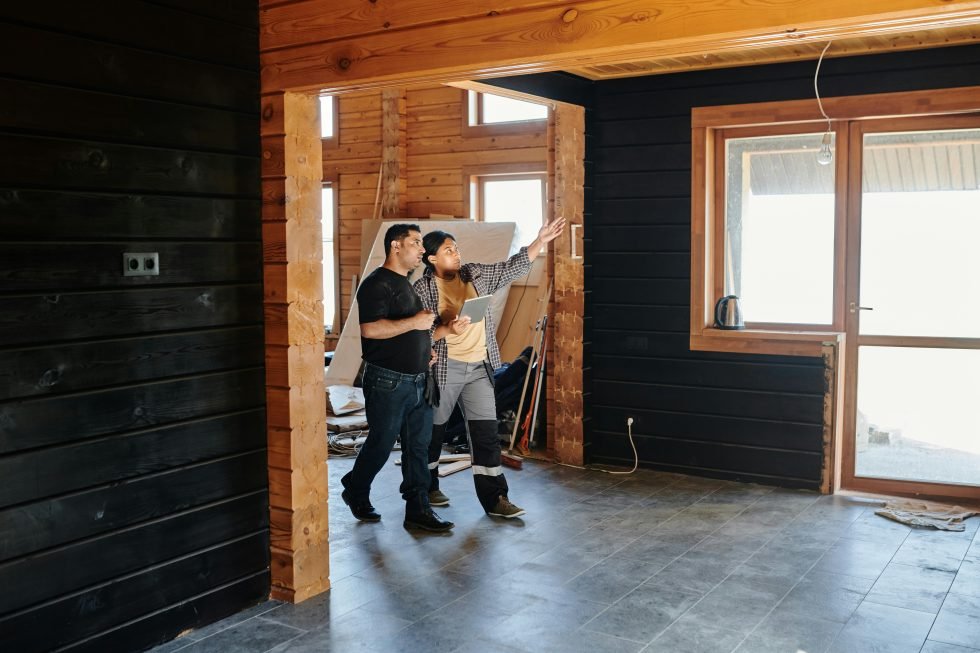
If your utility bills keep climbing or your home feels drafty even with the heat on, it might be time to rethink your space. Energy-efficient home remodeling isn’t just about going green—it’s about saving money, improving comfort, and making your home work smarter for you.
Today’s homeowners are looking beyond granite countertops and open floor plans. They want spaces that are beautiful and efficient. With the right upgrades, you can reduce your environmental footprint while increasing your home’s value and long-term performance.
Let’s explore how energy-efficient remodeling can completely transform your home—for the better.
Why Energy Efficiency Matters in Remodeling
According to the U.S. Department of Energy, the average household spends over $2,000 a year on energy bills—nearly half of which goes to heating and cooling. The good news? A few smart changes can cut that figure dramatically.
Energy-efficient upgrades can:
- Lower your monthly utility bills
- Extend the life of your HVAC system
- Reduce greenhouse gas emissions
- Improve indoor comfort all year round
- Boost your home’s resale value
In fact, the National Association of Home Builders (NAHB) reports that 9 out of 10 homebuyers prefer energy-efficient homes, even if it means a higher upfront cost.
Best Energy-Efficient Remodeling Ideas
Insulation Upgrades
Proper insulation is the foundation of any energy-efficient home. During a remodel, upgrading insulation in the attic, walls, or basement can significantly reduce heat loss and maintain a steady indoor temperature.
Look for eco-friendly insulation materials like:
- Cellulose (made from recycled paper)
- Spray foam (great for air sealing)
- Mineral wool (fire-resistant and soundproof)
Energy-Efficient Windows
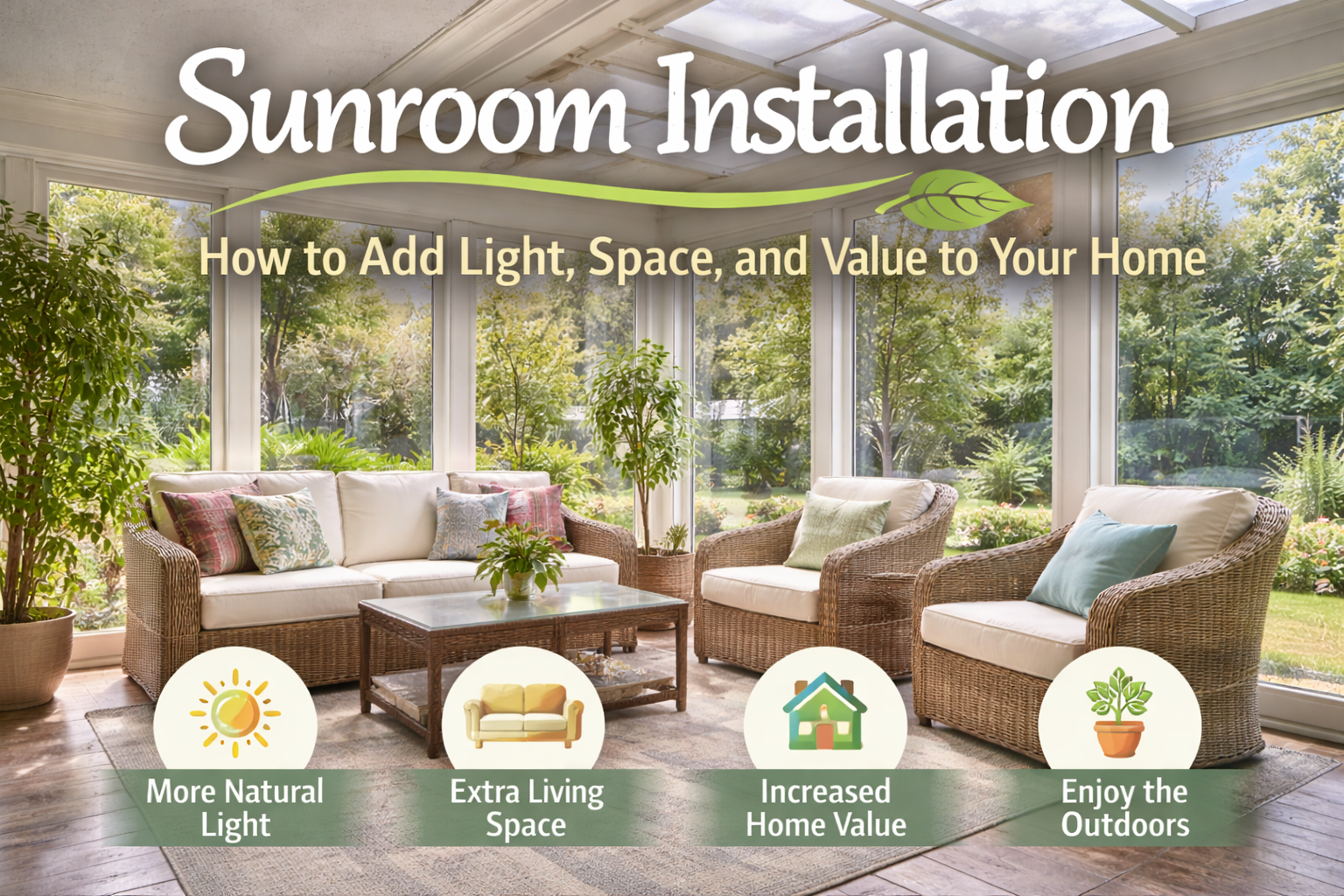
Old, drafty windows are a major source of heat loss. Replacing them with double or triple-pane windows that feature low-emissivity (Low-E) glass helps regulate indoor temperatures and blocks harmful UV rays.
Added bonus: better sound insulation and improved curb appeal.
Smart Thermostats
Installing a smart thermostat during your remodel is a small upgrade that makes a big impact. Devices like Google Nest or Ecobee learn your schedule and automatically adjust the temperature to save energy when you’re away.
You can also control them from your phone—no more coming home to a house that’s too hot or too cold.
High-Efficiency HVAC Systems
If your heating or cooling systems are over 10–15 years old, consider upgrading to ENERGY STAR®-certified units. Modern HVAC systems are much more efficient and use less energy to do a better job.
Ductless mini-splits, heat pumps, and zoned systems are especially useful if you’re remodeling only part of your home.
LED Lighting and Efficient Fixtures
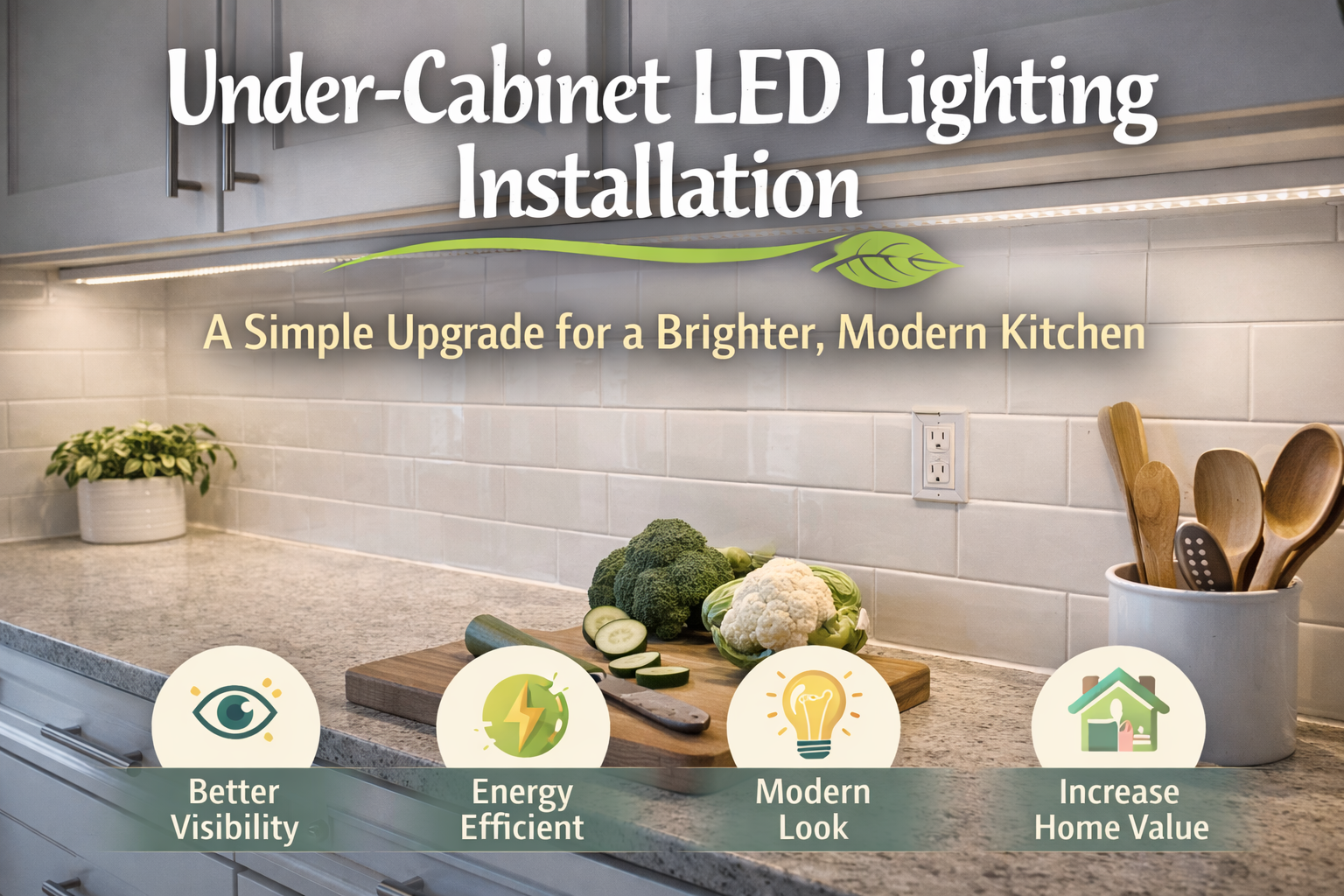
Lighting may seem minor, but switching to LED bulbs throughout the house can reduce lighting-related energy use by up to 75%. They last longer, use less electricity, and come in a variety of styles to match any interior.
Pair these with dimmer switches and motion sensors to save even more.
Solar Power Integration
If you’re planning a full home renovation or roof replacement, it’s the perfect time to consider adding solar panels. With federal tax credits and local incentives available, solar energy is more accessible than ever.
Solar isn’t just sustainable—it can dramatically reduce or even eliminate your electric bill over time.
Water-Saving Fixtures
Energy efficiency isn’t limited to electricity. Water-efficient upgrades like low-flow toilets, showerheads, and faucets help conserve water and reduce the energy needed to heat it.
These simple upgrades are inexpensive and qualify for many rebate programs in various states.
Don’t Forget the Building Envelope
The “building envelope” refers to everything that separates the interior of your home from the outside—walls, roof, windows, doors, and foundation. A tight envelope reduces drafts and prevents energy loss.
During a remodel, air sealing with caulk or weather stripping is a low-cost, high-reward step you shouldn’t skip.
How to Get Started with an Energy-Efficient Remodel
You don’t have to do everything at once. Start with an energy audit from a qualified contractor to identify the biggest energy drains in your home. This gives you a roadmap for prioritizing upgrades based on your budget and goals.
If you’re working with a team like Mountain Remodeling Services, they can guide you through the process—offering tailored solutions, suggesting eco-friendly materials, and helping you qualify for rebates or tax incentives.
Final Thoughts
Energy-efficient home remodeling is one of the smartest ways to upgrade your space. You’ll enjoy lower energy bills, a more comfortable living environment, and the peace of mind that comes with making sustainable choices.
Whether you’re planning a full-scale renovation or just updating a few key areas, energy-efficient upgrades add real value—and make your home a better place to live.
So go ahead, dream big—and remodel smarter.